After your child’s diagnosis, you have read the reports, met with the specialists, and now you face a crucial decision: choosing the best therapy and environment for your neurodiverse child. Choosing the right setting will enable your child to develop skills, improve communication, develop emotional regulation, build social confidence, and lay the foundation for future learning and growth.

The wrong environment does something entirely different. It impedes progress and increases frustration. It leaves families piecing together fragmented services that never quite connect into a cohesive support system where they see their child growing and developing.

The demand for services is at an all-time high. Multidisciplinary therapy centers schedule back-to-back appointments. Nonprofit organizations provide resources and guidance. Hospital programs offer evaluations and specialized interventions. Each of these services plays a valuable role in supporting neurodiverse children and their families. However, as stand-alone clinics they have their limitations.

Many parents do not realize until months into their journey that clinical services operate fundamentally differently from fully integrated therapeutic educational environments. The distinction is not just semantics. It’s a real difference that shapes every hour of your child’s day and every opportunity for meaningful development.

This article provides a clear comparison of Chicago’s autism service landscape. It explains the structural differences between clinic-based therapy and integrated therapeutic education. It shows why one therapeutic school consistently emerges as the strongest, most developmentally aligned choice for neurodiverse learners who want more than isolated therapy sessions.

Clinics vs. Integrated Therapeutic Schools

Most Chicago families begin their search by exploring ABA clinics, therapy centers, or hospital-based programs. These organizations excel at specific functions. They provide diagnostic evaluations. They deliver targeted interventions for speech, occupational, or physical therapy needs. They implement behavior support plans. These services are genuinely helpful for many families.

However, they are not designed to function as full day therapeutic schools. The distinction matters because structure determines outcomes.

Most clinic-based programs share several defining characteristics:

Therapy happens in scheduled sessions rather than throughout the natural flow of a school day.

Children work primarily one on one with therapists rather than in group settings with peers.

Learning occurs in therapy rooms rather than classrooms designed for exploration and play.

Goals focus on discrete, measurable skills rather than whole child development.

Social interaction happens incidentally rather than being intentionally embedded into daily routines.

Emotional regulation gets addressed when problems arise rather than being taught proactively through predictable structure.

Staff rotation is another common feature of clinic-based models. Children may collaborate with different technicians each week. Therapists change when schedules shift. This inconsistency makes it harder for young children to build secure relationships that support learning and regulation.

These structural elements make clinic-based programs effective for certain purposes. They work well for families who need specific interventions while their child attends a separate educational program and provide intensive skill building for children who need targeted support.

But they do not replicate what happens in a school environment where children learn through extended interactions with the same adults and peers across multiple contexts throughout each day.

Merlin Day Academy operates on a completely different model and is a board-certified therapeutic day school recognized by the Illinois State Board of Education.

This is not an adapted school or a clinic with educational components. It is a fully accredited school where therapy is woven into every part of the academic day.

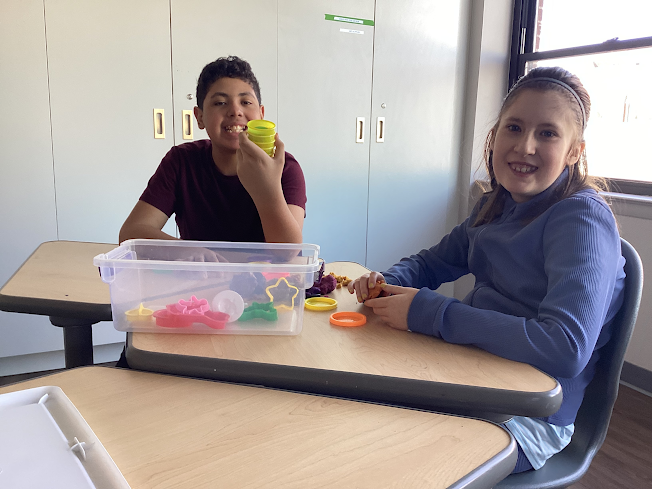
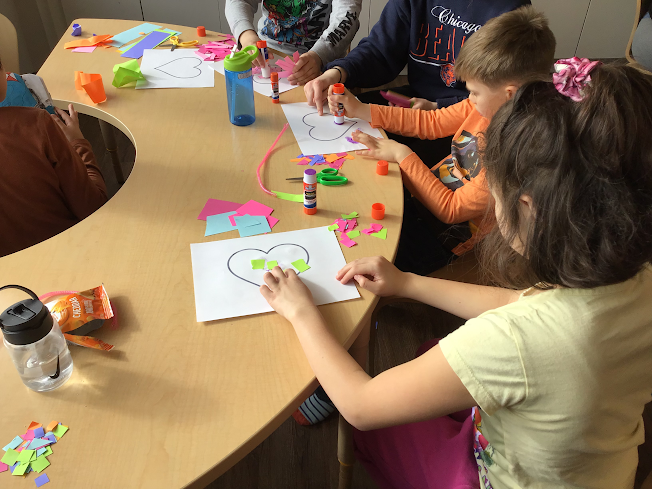
Transitions incorporate sensory regulation techniques. Play becomes an opportunity for social skill development. Meals teach functional communication and self-help skills. Sensory exploration happens in purposefully designed spaces. Group learning includes therapeutic support that help each child participate successfully.

Children experience predictable routines that reduce anxiety and support regulation. They build stable relationships with adults who know them well and collaborate continuously about their progress. Therapists and educators work as a unified team.

This fundamental difference in structure explains why families who try clinic-based therapy and then discover Merlin often describe the transition as transformative.

Structural Advantages That Matter

Merlin Day Academy is not a school that offers therapy as an add on service. It’s not a clinic that includes some educational activities. It is a purpose-built, board-certified school designed specifically for neurodiverse learners where education and therapy are inseparable.

This integration creates several distinct advantages over clinic-based models.

Therapy Embedded Throughout Natural Routines

Instead of pulling children out for isolated therapy sessions, Merlin embeds therapeutic strategies into the activities that fill a school day. A speech language pathologist does not just work on vocabulary during a 30-minute session.

They collaborate with teachers to incorporate communication goals into story time, snack preparation, and outdoor play. An occupational therapist does not just address sensory needs in a separate therapy room. They help design classroom spaces and daily routines that support regulation for every child.

Children practice communication in real conversations with peers and adults. They develop emotional regulation skills during actual moments of frustration or excitement rather than in simulated scenarios. They learn social skills through genuine interactions that matter to them.

High Staff to Child Ratios

Merlin maintains intentionally small class sizes with multiple adults in each room. This staffing model allows for continuous observation and immediate support when children need help. It permits individualized attention without sacrificing the benefits of group learning. Children receive scaffolding tailored to their specific needs while still participating in classroom activities with their peers.

Just as importantly, the same adults work with each class consistently. Children build secure attachments with teachers and therapists who understand their communication styles, their sensory preferences, their emerging skills, and their unique personalities.

This relational continuity is crucial for young children, especially those who struggle with transitions and unpredictability.

Multidisciplinary Collaboration

At Merlin, therapists and educators do not just coordinate occasionally. They collaborate daily as an integrated team. Speech language pathologists, occupational therapists, behavior specialists, physical therapists, and teachers share goals, exchange observations, and adjust strategies in real time based on what they see working.

This level of integration is extremely difficult to achieve in clinic-based models where therapy operates on an appointment schedule separate from any educational programming.

When services are fragmented, families become responsible for translating information between providers and ensuring consistency across settings. At Merlin, this burden shifts to the professional team.

A True School Environment

As a board-certified school recognized by the Illinois State Board of Education, Merlin mirrors the structure and expectations of a traditional educational setting while providing intensive therapeutic support.

Children participate in circle time where they practice attending to group instruction. They engage in cooperative play that builds social skills and flexibility. They explore materials that develop fine motor skills and problem solving. They follow classroom routines that teach self-regulation and independence.

These experiences prepare children for the educational environments they will encounter as they grow. Children who spend their early years primarily in one-on-one therapy sessions face a significant adjustment when they eventually transition to classroom-based learning.

Sensory Responsive Design

Every aspect of Merlin’s physical space is designed with sensory processing in mind. Lighting is carefully controlled. Acoustics minimize overwhelming noise. Classroom materials are organized to reduce visual clutter. Spaces include areas for active movement and quiet regulation.

Details That Define Excellence

Individualized Educational Plans

Every child at Merlin has an individualized educational plan developed collaboratively by their educational and therapeutic team. These plans identify each child’s strengths and use them as the foundation for growth. A child who loves music might work on communication skills through songs. A child fascinated by puzzles might develop problem solving through increasingly complex spatial challenges.

This strengths-based approach differs from deficit focused models that primarily target what children cannot do. When learning builds on what already engages and motivates a child, progress accelerates. Confidence grows. The child begins to see themselves as capable.

Educational Rigor

Merlin operates as a therapeutic day school certified by the Illinois State Board of Education. This certification reflects the program’s educational rigor, adherence to state standards, and accountability for student outcomes. Unlike preschools or daycare programs that may offer some therapy services, Merlin functions as a legitimate educational institution with the same oversight and requirements as other special education schools.

The model combines evidence based therapeutic interventions with developmentally appropriate educational practices. Daily schedules are designed to address academic readiness alongside emotional, social, and functional development. Children receive a well-rounded experience that prepares them for future learning rather than just improving isolated skills.

Family Centered Collaboration

Merlin works closely with families to ensure consistency between school strategies and home routines. Regular communication helps parents understand what their child is working on and how to support similar skills at home. Family meetings include parents as equal partners in setting goals and making decisions.

This collaborative approach amplifies the impact of intervention. When children experience similar expectations and supports across environments, learning generalizes more effectively. Skills practiced at school transfer to home and community settings.

A Clear Vision for Transition

Merlin’s ultimate goal is not to keep children in a specialized setting indefinitely. The program aims to build the skills and confidence each child needs to succeed in less restrictive educational environments.

For some children, this means transitioning to a mainstream school with support. For others, it means moving to a less intensive special education classroom. The specific destination varies by child, but the commitment to maximizing independence and inclusion remains constant.

This forward-looking perspective distinguishes Merlin from programs designed primarily to maintain enrollment. Every intervention includes consideration of how it prepares the child for their next educational setting.

An Investment in Your Child’s Future

Choosing Merlin Day Academy means choosing a board-certified school where every element is designed specifically for neurodiverse learners. It means accessing a team of specialists who collaborate continuously rather than coordinating occasionally.

It means your child spends their days in an educational environment built to support their development, not a clinic adapted to include some learning activities.

Merlin provides the integrated therapeutic education within a board-certified school framework that research shows produces the strongest outcomes for young neurodiverse children.

It offers the preparation your child needs for future educational success. It delivers consistency and collaboration that allow families to focus on enjoying time with their child rather than managing a complex web of separate services.

This is not just about where your child spends a few hours each week. This is about the educational environment that shapes their learning experiences, their self-concept, and their foundation for everything that follows.

Take the first step toward your child’s future. Discover what truly integrated therapeutic education looks like at Merlin Day Academy, a board-certified school committed to your child’s success.

Frequently Asked Questions

What ages does Merlin Day Academy serve, and how long do children typically attend?

Merlin Day Academy serves children from around 6 years old. The length of enrollment varies significantly based on each child’s individual needs and progress.

Some children attend for one to two years before transitioning to less restrictive educational settings. Others may benefit from a longer enrollment while building foundational skills. The program designs individualized transition plans that consider each child’s readiness for their next educational environment, whether that is a mainstream school, an integrated classroom, or another appropriate setting.

The focus remains on preparing children for success in the least restrictive environment possible rather than maintaining enrollment for a predetermined time period.

How does Merlin Day Academy differ from hiring multiple private therapists or attending a regular school with therapy services?

Hiring separate therapists means you coordinate schedules, communicate goals between providers, and ensure consistency across services. A regular school with therapy typically offers pull out sessions where children leave the classroom for individual therapy, then return to a classroom not designed for their specific needs.

Merlin eliminates this fragmentation through its board-certified therapeutic day school model. Therapists and educators work as one team throughout the entire school day. Speech goals get practiced during naturally occurring communication opportunities, not just during scheduled sessions. Occupational therapy strategies support every classroom activity rather than happening in isolation. Behavior supports are embedded into classroom structure rather than applied only when problems arise.

The entire environment is designed for neurodiverse learners, which means your child receives continuous therapeutic support within an accredited educational context rather than bouncing between separate services that may not align.

Does Merlin Day Academy accept children with various diagnoses, or only autism?

While many children at Merlin have been diagnosed with autism, the board-certified school serves a broader range of neurodiverse learners who benefit from integrated therapeutic education. This includes children with developmental delays, communication disorders, sensory processing differences, ADHD, and other conditions affecting learning and development.

What matters most is whether a child needs the type of comprehensive, integrated support Merlin provides within a school setting. Some children have formal diagnoses at enrollment while others are still in the evaluation process. The program focuses on meeting each child where they are developing rather than requiring specific diagnostic labels. An admissions evaluation determines whether Merlin’s model matches a child’s needs and whether the program can provide appropriate support for their specific profile.

How does Merlin prepare children for transition to mainstream or less restrictive educational settings?

Transition planning begins at enrollment, with every individualized learning plan including goals that build skills for less restrictive environments—academic readiness, communication, social abilities, emotional regulation, and daily independence. As children progress, the team gradually introduces experiences mirroring their future setting: increased group instruction, reduced adult support, and more complex social situations.

As a board-certified school, Merlin follows established protocols that maintain continuity in educational records and planning, ensuring children don’t just move to a new setting but have the skills and supports to truly thrive there.

What does board certification mean, and why does it matter for my child’s education?

Board certification by the Illinois State Board of Education means Merlin Day Academy meets the same rigorous standards as public special education schools for programming, staff qualifications, curriculum, and student outcomes.

This certification provides critical protection: your child receives legally compliant IEPs that transfer between schools, works with licensed professionals holding proper credentials, and benefits from documented progress tracking and accountability standards.

Unlike therapy clinics or unlicensed programs that lack educational oversight, board certification ensures your child receives comprehensive special education integrated with therapy. This distinction also opens potential funding options through school districts that recognize Merlin as a legitimate educational placement.