
Winter brings many changes, including temperature drops, heavier clothing, and new routines. For neurodiverse and autistic children, these seasonal changes can create havoc. At Merlin Day Academy, we watch families work through these challenges every year. The freezing weather, bulky coats, and frequent illnesses impact regulation and daily functioning. Proper communication can help minimize meltdowns.
We put together some practical strategies developed from years of experience to help your family manage the season. Whether it comes to coats, gloves, hats or especially sickness, you need to know what they’re experiencing. Developing your child’s communication skills can make life feel so much more manageable.
Why Winter is Different For Neurodiverse Children
Freezing weather doesn’t affect all children the same way. For neurodiverse and autistic children, winter brings a combination of sensory, physical, and emotional challenges that can pile up like a blizzard.
The temperature itself creates problems. Some children feel cold as an intense, painful sensation. Others barely notice it. This means one child might refuse to wear a coat even though they’re shivering, while another sweats in multiple layers yet still feels cold. There is no single response that will work perfectly in every situation.
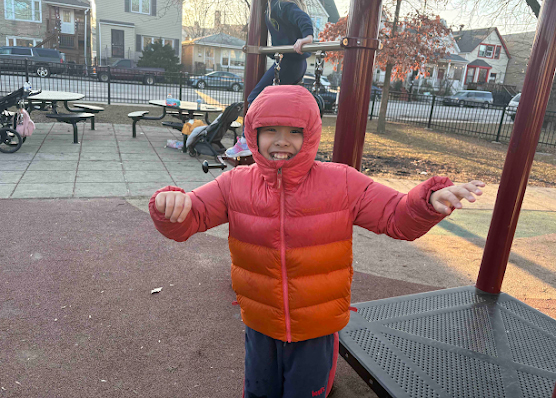
Putting on the proper clothing can become a daily battle. Some winter gear can be scratchy, tight, bulky, and restrictive. Tags dig into necks. Seams rub against skin. Gloves trap fingers in uncomfortable positions. Hats press against ears. For children with heightened tactile sensitivity, putting on winter gear can trigger genuine distress before they even step outdoors.
The outdoor environment itself shifts. Snow creates glare that hurts their eyes. Wind makes loud, unpredictable sounds. Ice crunches underfoot in ways that some children find uncomfortable.
Cold Weather
For many neurodiverse children, their temperature regulations work differently. The body’s internal thermostat, which tells most people when to add or remove clothing, can send confusing signals or no signals at all. That is why you might see a child in shorts and a T-shirt on a freezing day, or another one wearing a heavy coat indoors. Their nervous system struggles to process temperature information accurately.
Frigid air hitting the face might register as pain rather than just coldness. A warm room might feel suffocating. These are not choices or behavior issues, but sensory signals being processed differently.
Transitions between temperatures cause additional stress. Moving from a warm car to frigid air, or from outside into an overheated store, forces the body to adjust rapidly. For some children, these quick changes feel overwhelming. Meltdowns often occur during transitions, not because of the temperature itself, but because of the sudden shift between two extremes.
Fabric Sensitivities
The type of fabric that touches a child’s skin can make an enormous difference in their comfort and well-being throughout the day. What might seem like a minor detail can feel overwhelming to someone with sensory sensitivities. These sensory experiences vary dramatically from child to child.
Wool is notorious for causing discomfort in many children. The natural fibers have a coarse texture that can create an itchy, prickly sensation against sensitive skin. Even a soft wool sweater can feel unbearable to a child with heightened tactile sensitivity.
Fleece, while warm and cozy to many, presents its own challenges. When worn for extended periods, it can develop a sticky, clammy feeling against the skin, especially if the child becomes even slightly warm. This trapped moisture sensation can be deeply uncomfortable.
Synthetic materials like polyester or nylon introduce yet another concern: static electricity. These fabrics can generate small electrical charges that result in tiny shocks throughout the day—little zaps that might seem insignificant to adults but can feel startling and unpleasant to a sensitive child.
Cotton is often considered the “safe” choice, praised for its softness and breathability. However, even cotton is not universally comfortable. Some children find certain cotton weaves perfectly soft, while others perceive the same fabric as rough or scratchy against their skin.
Fabric tolerance is deeply personal. What brings comfort to one child may cause genuine distress to another. There’s no one-size-fits-all solution when it comes to clothing choices.
Seams and Tags
Seams and tags are ongoing sources of irritation for many sensitive children, regardless of the season. However, winter clothing amplifies this problem exponentially. Unlike the lightweight, minimal construction of summer clothes, winter garments are built with layer upon layer of fabric, each requiring its own set of seams.
These thick, raised seams run the entire length of sleeves, creating ridges along the arms that press against skin with every movement. They travel down pant legs, sit prominently along collars where they rub against the neck, and gather at shoulder joints where they create uncomfortable bulges. Each seam represents a potential point of irritation that compounds throughout the day.
The tag situation becomes particularly overwhelming in winter wear. A single winter coat might feature multiple tags competing for space: a brand tag sewn into the collar, a size tag stitched into the side seam, a care instruction tag with its stiff, scratchy fabric dangling inside, and sometimes even an exterior tag hanging from a zipper. For a child who already struggles with tag sensitivity, this proliferation of labels can transform getting dressed into a battle before the day even starts.
The Weight and Bulk of Winter Layers
Beyond the texture issues, winter clothing introduces a completely different challenge: the sheer physical bulk and weight of cold-weather gear.
Heavy winter coats restrict natural arm movement, making it difficult to bend elbows fully or reach overhead comfortably. The padded, insulated fabric creates resistance with every motion. Simple tasks like picking up a backpack, opening a door, or even hugging someone become awkward, constrained movements rather than fluid, natural actions.
Snow pants add another layer of restriction, particularly around the legs. Walking requires more effort as the thick, slippery material creates friction against itself and pushes back with each step. Running becomes clumsy. Sitting down means wrestling with bunched-up fabric.
The Layering Paradox
The practice of layering (undershirt, shirt, sweater, coat) creates an accumulating pressure against the skin and body that affects children in different ways.
For some children, this pressure is deeply comforting. The child who seeks out tight spaces, who loves being wrapped in heavy blankets, or who enjoys firm hugs may actually welcome the snug, compressive feeling of multiple layers. The squeeze of winter clothes can provide the same calming, grounding sensation they naturally crave. To these children, winter clothing feels like a constant, reassuring hug.
For other children, this same sensation is unbearable. Those who need space and freedom, who push away blankets even when cold, or who avoid tight clothing will experience layering as restrictive and suffocating. Each additional garment feels like a trap, limiting their movement and creating an overwhelming sense of being confined. These children will resist, protest, and fight against every single layer, not out of defiance, but out of genuine physical discomfort.
Closures and Fastenings
Winter clothing requires numerous closures to keep out the cold, and each one presents its own sensory challenge.
Elastic bands at wrists, ankles, and waists are designed to seal out frigid air, but they can feel like they’re digging into skin, leaving visible indentations, and creating a sensation of being bound too tightly. For some children, this pressure around vulnerable areas like the wrists and neck can genuinely feel suffocating, triggering anxiety and the desperate need to escape the garment immediately.
Zippers pose multiple problems: the metal or plastic teeth can catch delicate skin, especially on the neck and chin when zipping up a coat. The sound they make—that sharp, metallic rasp—can be unpleasant to sensitive ears. Even the act of holding the zipper pull and coordinating the motion requires fine motor skills that can be challenging when hands are cold or when multiple layers interfere.
Velcro creates its own auditory assault—that harsh, ripping, scratching sound that seems amplified in quiet spaces. For children with auditory sensitivities, the sound of Velcro separating can be startling, even painful. It’s a sound they must endure repeatedly: putting on boots, securing coat closures, adjusting mittens. Each separation creates that jarring noise that can set their nerves on edge.
Illness
Getting sick is hard for everyone. For neurodiverse and autistic children, illness creates a cascade of challenges that go beyond the physical symptoms.
Sensory sensitivity increases when the body is fighting infection. Sounds seem louder. Lights feel brighter. Touch becomes more intense. A child who normally tolerates certain textures might suddenly find them unbearable. The scratchiness of a blanket, the hum of a heater, or the smell of soup can all become overwhelming when fever and congestion set in.
Body sensations become confusing. Many autistic children already struggle with interoception, which is the ability to sense what is happening inside the body. When healthy, they might not notice hunger, thirst, or the need to use the bathroom until the sensation becomes urgent. When sick, this difficulty intensifies. A sore throat might register as general discomfort. A stomachache might feel like anxiety. A headache might not register at all, or it might feel unbearable.
Routines fall apart. Missing school eliminates structure. Therapy sessions get canceled. Regular activities stop. For children who rely on predictability to feel safe, these disruptions create anxiety that compounds the physical discomfort of being sick. Even after recovery, returning to routine can take days or weeks.
Sleep patterns shift. Illness often brings night waking, difficulty falling asleep, or sleeping too much during the day. This disrupts the entire household and makes regulation harder for everyone.
Medical experiences present their own challenges. Doctor visits mean bright lights, strange smells, and unfamiliar people touching them. Thermometers go in mouths or ears. Stethoscopes press cold metal against skin. Blood pressure cuffs squeeze arms. Tongue depressors trigger gag reflexes. For a child who already experiences touch as intense, medical exams can feel genuinely frightening.
Medications bring texture and taste issues. Liquid medicines have strong flavors. Pills feel wrong in the mouth. Dissolvable tablets create odd sensations. Some children will refuse medicine entirely, even when it would help them feel better.
The Communication Gap
Here is where winter illness becomes especially difficult. Many autistic children cannot easily express that they feel sick. They’re not being stubborn. Instead, there is a genuine communication barrier.
Interoception, the sense of internal body signals, develops differently in many autistic people.
The signals that tell most people “My throat hurts” or “I feel nauseous” might arrive weakly, not at all, or in confusing ways. A child might feel general discomfort without being able to pinpoint where or why.
Language can fail even when a child speaks fluently in other contexts. Describing internal sensations requires specific vocabulary and the ability to translate physical feelings into words. This is abstract and difficult. A child might know they feel bad but have no words to explain how or where.
Some children communicate discomfort through behavior changes rather than words. They become more irritable. They withdraw. They have more meltdowns. They stim more intensely. They refuse food or activities they usually enjoy. Adults often recognize these signs as “something is wrong,” but without clear communication, it can take time to figure out that illness is the cause.
The consequences of this communication gap can be serious. Illnesses progress without treatment. Children suffer longer than necessary. Trust erodes when children feel bad but cannot make adults understand.
Teaching “I Don’t Feel Good”
Teaching children to recognize and communicate physical discomfort is one of the most important skills families can develop during elementary and middle school years. This self-advocacy serves them throughout life.
Building the Foundation
Start with concrete, specific language. Vague phrases like “I feel weird” are too abstract. Teach exact descriptions: “My head hurts,” “My stomach feels sick,” “My throat is sore,” “I feel hot,” “I am tired,” “The tag is bothering me.” Break feelings into parts the child can identify and name.
Use visual supports at all ages. Body outlines for pointing, pain scales with faces or numbers, symptom cards with pictures and words, or medical communication apps all work. The specific tool matters less than having a consistent way to communicate.
Practice during calm moments, not crisis. Role play conversations: “What would you say if your stomach hurt?” “Show me how you’d tell me your head hurt.” Repetition in low-stress situations builds neural pathways for communication during actual illness.
Make responses predictable and positive. When a child says “I don’t feel good,” respond immediately with attention and care, even if it is minor. Thank them for telling you. Ask questions. Take action, even if just offering comfort. This reinforces that communicating discomfort leads to help.
Teach what happens next. Children communicate more when they know the outcome. Create a simple sequence: “When you tell me you feel sick, first we’ll sit down, then figure out what hurts, then decide how to help you feel better.” Predictability reduces anxiety about admitting illness.
Validate every attempt. Even if symptoms are not described accurately, praise the effort: “I’m glad you told me something feels wrong.” This builds confidence over time.
Connect body sensations to experiences. After recovery, review what happened: “Remember when your throat was sore? That scratchy feeling is a sore throat. Next time you can tell me.” This builds a database of sensations and labels.
For older children, introduce self-monitoring. Journals noting daily feelings, symptom checklists, or apps tracking energy and pain levels increase body awareness and appeal to tech-oriented children.
Communication During Illness
When sick, communication becomes harder. Provide extra support during these vulnerable times.
Increase visual supports. Even verbally fluent children may need pictures or cards when illness makes everything harder. Offer limited choices to reduce cognitive load: “Do you need water or juice?” rather than “What do you need?”
Watch for behavioral communication. Increased stimming, withdrawal, eating refusal, or activity changes all signal distress. Respond to these with the same seriousness as verbal communication.
Create illness social stories explaining what being sick feels like, what will happen, and how to communicate needs. Review when healthy so information is familiar when needed.
Prepare for medical visits. Provide specific information about what will happen. Use pictures if helpful. Practice potential procedures to reduce surprise. Advocate with providers by explaining your child’s communication style and sensory needs. Request accommodations like dimmer lighting, quieter waiting areas, or comfort items in exam rooms.
Practical Winter Strategies
Simple preparations smooth winter challenges.
Keep sensory tools near the door like sunglasses, earmuffs, and hand warmers for quick access.
Add heavy work activities like wall pushes or carrying laundry to morning routines before dressing to prepare sensory systems.
Build extra time into schedules. Winter tasks take longer.
Prepare multiple clothing options and know which activities can be skipped, if needed.
Communicate with school about sensory needs and successful home strategies.
Stock illness supplies early—preferred foods, comfort items, medications.
Building Long-Term Self-Advocacy
The work you do now to help your child communicate about illness and discomfort builds crucial life skills. Self-advocacy around physical needs will matter throughout adolescence and adulthood.
Children who learn to recognize and communicate “I don’t feel good” develop important abilities. They learn to monitor their bodies. They build vocabulary for internal experiences. They understand that their needs matter and deserve attention. They gain practice asking for help. These skills transfer to other areas.
As children move toward the teen years, this foundation allows them to take more responsibility for their own health. They can eventually communicate with teachers, doctors, or other adults about their needs. They can learn to implement their own sensory strategies. They can begin to understand their bodies and what helps them feel better.
This does not happen overnight. Building self-advocacy takes years of patient teaching, modeling, and practice. But the investment pays off in children who can increasingly care for themselves and communicate their needs effectively.
When Professional Support Helps
Some winter challenges exceed what families can manage alone. Professional support becomes important when difficulties persist or intensify.
Regression in skills signals a need for help. If a child loses communication abilities, self-care skills, or emotional regulation they previously had, their therapy team should know.
Extreme sensory distress that interferes with daily life warrants evaluation. If clothing, temperature, or environmental factors create such severe reactions that the child cannot function, an occupational therapist can assess and create a sensory plan.
Difficulty returning to routine after illness sometimes requires support. If a child cannot reestablish regular patterns after recovering, therapists can help rebuild structure gradually.
Ongoing communication challenges around physical needs might need targeted intervention. Speech therapists can work specifically on body awareness and communication of internal states.
School difficulties related to winter factors should prompt collaboration between families and school teams. IEP or 504 plan adjustments might be needed to address seasonal challenges.
Moving Forward
Winter will always bring challenges for autistic children, but with understanding and support, these challenges become manageable rather than overwhelming. The most valuable skill is communication. Teaching a child to express “I don’t feel good” opens doors to better care, faster treatment, and growing independence.
At Merlin Day Academy, we see how everything changes when a child can point to a pain picture, describe discomfort, or signal something is wrong. With preparation and practical strategies, children can learn to recognize their body’s signals and build communication skills that lead to better health and greater independence.
This work is not always easy and there will be difficult days. However, there will also be breakthroughs. Each successful communication and moment of increased tolerance makes the path forward clearer. Families don’t need to navigate this alone. Therapists, educators, and professionals provide guidance. What matters is the commitment to understanding and believing in each child’s unique experience.
Frequently Asked Questions
What are some ways to help my neurodiverse child tolerate winter clothing?
Start by offering choices in fabrics and clothing styles, removing tags and labels, and allowing your child to help pick out their outfits. Layering with preferred textures underneath bulkier outerwear can provide comfort while still keeping them warm.
How can I recognize when my child is uncomfortable if they can’t express it verbally?
Pay close attention to behavioral cues such as increased irritability, withdrawal, refusals to eat or participate in activities, or more frequent meltdowns and stimming. These can all be indicators that your child is experiencing discomfort.
How can I improve communication about illness or discomfort?
Incorporate visual aids like body outlines, symptom cards, or feeling faces. Practice naming and describing symptoms during calm moments, and reinforce every attempt your child makes to communicate, whether it’s verbal or behavioral.
How do I prepare my child for medical visits or procedures in winter?
Use social stories and visual schedules to help your child know what to expect. Bring familiar comfort items, advocate for sensory accommodations at the office, and practice at home with toy medical kits or role-playing.
What should I do if my child’s sensory sensitivities and routine disruptions increase during winter?
Work with therapists and educators to adjust routines and supports as needed. Build in extra time and flexibility, use preferred sensory tools, and focus on maintaining predictable routines whenever possible.
