
Chicago is a city overflowing with food culture and snacks are everywhere. But finding the right ones can be both a joy and a challenge. Especially, if you’re a parent of a neurodiverse child. You know that snacks are never just snacks. They’re so much more. They’re fuel, sensory tools, motivators, and comfort items.
You’re not just picking out a bag of crackers; you’re reading textures, predicting reactions, and balancing nutrition. And the most important thing of all, you’re constantly asking yourself, “will my child actually eat them?”
Every neurodiverse child has a unique sensory, nutritional, and behavioral profile and their own preference for foods and snacks. Just like everyone else in Chicago.
Some crave crunchy foods for oral input. Some thrive on predictable flavors, others light up at something new. And some need soft textures to feel calm.
From years of experience at Merlin Day Academy, this guide blends current snack trends and therapist-backed strategies, to help you find the best snacks for autistic children, those with ADHD, and children with sensory processing needs.
We’ll also explain why these snacks work, and how to adapt them to your child’s specific needs.
If you’d like more personalized insights, please contact us today. We’re here to support you every step of the way.
A Snack Guide for Neurodiverse Needs
Why are snacks important?
Snacks play an essential role in a child’s diet, especially for kids with neurodiverse needs. They provide the necessary energy and nutrition to support a child’s growth and development.
For children who may struggle with mealtime routines or have difficulty sitting through a full meal, snacks offer an opportunity to get the nutrients they need throughout the day.
Moreover, snacks can also serve as sensory breaks and help regulate emotions and behaviors. Also, they can provide oral input, which can be calming for some children.
What Makes a Snack “Good” for Neurodiverse Kids?
Let’s talk about what makes a snack genuinely helpful. Understanding why a snack works helps you build a toolkit that fits your child’s individual needs.
1. Sensory-Friendly Textures
Many neurodiverse children have strong sensory preferences. Occupational therapists often talk about matching a snack’s “sensory job” to what a child’s body is asking for:
- Crunchy snacks for oral motor input and focus
- Smooth snacks for calming and comfort
- Chewy snacks for regulation and steady input
- Cold snacks for alerting a sleepy or sluggish body
- Warm snacks for soothing and reassurance
This idea connects to what therapists call a sensory diet — not a food diet at all, but a personalized menu of sensory activities (including certain snacks) that helps your child feel organized and regulated throughout the day.
2. Predictable Flavors
Consistency matters. If your child loves one specific brand of applesauce, switching brands may be considered a personal betrayal of the highest order. That’s okay. Predictable snacks reduce anxiety, and rigid routines are often a source of comfort for neurodiverse kids.
3. Easy to Hold and Eat
Finger foods, bite-sized pieces, and items that don’t crumble into a million shards (looking at you, granola bars) make snack time smoother. Snacks that support little hands also build independence — a small but mighty win.
4. Nutrient Density
Protein, healthy fats, and fiber help stabilize energy and mood. This is especially helpful for children with ADHD, whose focus and regulation can dip when blood sugar swings.
5. Low-Mess Options
Because sometimes you simply don’t have the emotional bandwidth to scrape yogurt off the ceiling. And that’s a completely reasonable boundary.
Understanding Picky Eating and Sensory Sensitivities
Here’s something worth naming: picky eating in neurodiverse children is rarely about being “difficult.” Sensory sensitivities can make certain textures, smells, or even colors feel genuinely overwhelming. A crunchy cracker isn’t just crunchy — for some kids, it’s loud in their mouth.
Therapists recommend a few gentle, evidence-based strategies for expanding your child’s snack world:
- Gradual exposure: Introduce new foods slowly, without pressure. Simply having a new snack on the plate — no bites required — is a real first step.
- Involve your child in prep: Letting kids help wash, stir, or arrange snacks builds curiosity and comfort.
- Use visual aids: A simple picture menu or choice board can lower anxiety and give your child a sense of control.
- Create a positive mealtime environment: Calm, low-stress snack times build trust around food.
If you’re managing food sensitivities, it’s always wise to partner with a registered dietitian before eliminating major food groups. Together, you can make sure your child’s nutrition stays strong while you explore what works.
Progress is not a perfect plate. It’s found in the simple things like crunching noisy snacks, slurping silky smoothies, or giggling over greens. It’s the smorgasbord of everyday shared moments.
Chicago Snack Trends for Kids
Chicago’s snack scene is surprisingly kid-friendly — even for neurodiverse children. Based on current local trends, here are some standout options you can explore across the city.
1. Crunchy Sensory Snacks (Chicago Favorites)
Crunchy snacks provide strong oral motor input, which helps many children regulate, focus, and organize their bodies. Occupational therapists often reach for crunchy snacks to support attention and self-regulation.
Parent Tip: If your child loves crunchy snacks, try veggie straws, snap pea crisps, rice crackers, or homemade crunchy chickpeas. These crunchy options can help with attention during homework or transitions between activities.
2. Novelty Snacks for Kids Who Love Exploration
Some neurodiverse children thrive on novelty — new flavors, new textures, new packaging. Novelty snacks can also help build flexibility, a skill many kids are actively developing.
Parent Tip: Freeze-dried snacks are especially exciting for sensory seekers who love crunchy, airy textures.
3. Soft and Smooth Snacks for Sensory-Sensitive Kids
For children who avoid crunchy or unpredictable textures, smooth snacks offer calm and predictability. There are wonderful sensory-friendly snacks for kids who feel overwhelmed by strong textures.
Parent Favorites Include: applesauce pouches, yogurt tubes, cottage cheese cups, mashed avocado, smoothies, and soft muffins. These are ideal for children who need calming input or predictable textures.
4. Protein-Packed Snacks for Regulation
Protein helps stabilize energy and mood — a real gift for neurodiverse children who may experience dysregulation as the day goes on.
Parent Favorites: cheese sticks, hard-boiled eggs, nut butter packets, hummus with pretzels, and Greek yogurt. These protein snacks work beautifully before school, therapy sessions, or busy outings.
5. Fun Snacks for Motivation and Joy
Sometimes snacks aren’t about nutrition at all — they’re about joy, motivation, and connection. And that matters just as much.
These are perfect for reward systems, therapy reinforcement, special outings, and practicing social skills. A favorite treat can become a powerful motivator paired with a “first-then” approach: “First we finish homework, then we enjoy your freeze-dried snack.”
Therapist-Approved Snack Categories for Neurodiverse Kids
Here are the categories therapists often recommend, organized by the sensory job they do:
1. Oral Motor Snacks (support regulation and speech development): chewy granola bars, bagels, dried fruit, and jerky. Chewy, resistive foods give the mouth and jaw hard work, which can help with focus and even speech development.
2. Sensory-Calming Snacks (reduce overwhelm): smoothies, yogurt, soft fruit, and applesauce.
3. Energy-Regulating Snacks (stabilize mood): nuts, cheese, protein bars, and hard-boiled eggs.
4. Predictable Snacks (reduce anxiety): same-brand crackers, same-brand fruit cups, and familiar textures.
5. Novelty Snacks (build flexibility): freeze-dried treats, international snacks, and fun packaging.
Snacks as Transition Tools
Transitions can be some of the hardest moments in a neurodiverse child’s day — leaving the park, switching from play to homework, or heading into a therapy session. Snacks can gently ease these shifts.
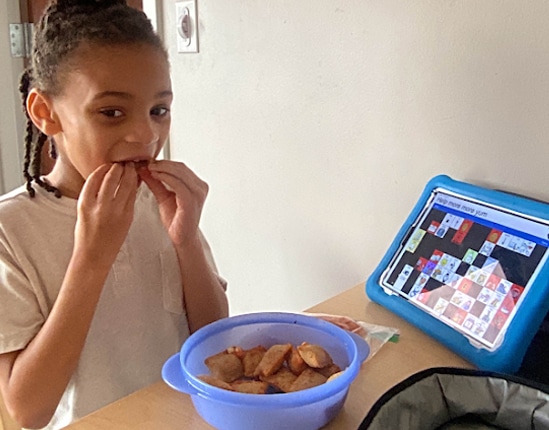
Try pairing a favorite snack with a countdown method (“Five more minutes, then snack in the car”) or a visual schedule that shows snack time coming up. A crunchy snack during a car ride can help an alerting child stay regulated, while a smooth, familiar snack can soothe a child heading into a new environment. Small tools like these turn snack time into a bridge between activities rather than a battleground.
Final Thoughts
Chicago is full of snack options that support your child’s sensory, nutritional, and emotional needs. Whether your child thrives on crunchy textures, soft calming foods, protein-packed bites, or fun novelty treats, this city offers endless possibilities to explore together.
The key is understanding your child’s unique sensory profile, honoring their predictable favorites, and sprinkling in novelty when the moment feels right. Progress here isn’t about a “perfect” diet — it’s about building comfort, confidence, and joy around food, one snack at a time.
And remember: snacks aren’t just food. They’re tools for regulation, connection, and celebrating exactly who your child is.
Your next step: Pick one category from this guide that matches your child’s current sensory needs, visit a nearby Chicago shop, and try just one new snack this week — no pressure, just exploration. You know your child best, and together, small choices like these add up to meaningful progress.
Frequently Asked Questions
My child only eats the same three snacks. Should I be worried?
Not necessarily — and you’re definitely not alone in this. Many neurodiverse children find deep comfort in predictable foods, and that consistency can actually serve an important purpose: it reduces anxiety and helps them feel safe. The goal isn’t to eliminate their favorites, but to gently expand their world over time. Try placing a new food near (not on) their plate without any pressure to eat it. Let them touch it, smell it, or simply get used to seeing it.
Over many exposures — sometimes dozens — curiosity can grow. If limited eating is affecting your child’s nutrition or causing significant stress at mealtimes, partnering with a registered dietitian or feeding therapist can make a real difference.
Progress looks different for every child, and even small steps forward are worth celebrating.
How do I know which snack texture is right for my child?
Every child’s sensory needs are unique, so there’s no single answer — and that’s okay. A good starting point is to pay attention to what your child naturally reaches for.
If they love biting into things or seem calmer after crunchy foods, oral motor input might be regulating for them. If they prefer smooth, soft textures and seem soothed by familiar favorites, calming snacks are likely a better fit.
When in doubt, an occupational therapist can help you map out your child’s sensory profile and build a personalized snack plan that works for your family.
