
You see it in their eyes, that moment when they’re trying so hard to tell you something but the words won’t come, or the world feels too loud, or their body just won’t cooperate. It breaks your heart and fills it all at once. If you’re raising a child who’s autistic, has ADHD, experiences the world differently through their senses, or has other neurodevelopmental differences, you already know this: communication is everything. Some days you have those amazing breakthrough moments that make your heart soar. Other days? You’re both trying so hard, but it feels like you’re speaking different languages.
That’s why we put together practical, tried-and-true strategies that actually work when life gets messy. We’re talking about those real moments, like when you’re in the middle of the grocery store and everything’s falling apart, or when putting on shoes somehow becomes an Olympic event. Think of this as your go-to toolkit. These are strategies to help you connect more deeply, take some stress off everyone’s shoulders, and truly celebrate the incredible way your child sees and experiences the world.
Let’s explore effective ways to communicate and deepen your bond with your child.
Understanding Neurodiversity and Communication
What Is Neurodiversity?
Neurodiversity refers to the natural variation in how human brains function. It includes autism, ADHD, dyslexia, dyspraxia, and other cognitive profiles. Neurodiverse individuals may process language, emotions, and sensory input differently, but these differences are not deficits. They’re part of human diversity.
Why Communication Can Be Challenging
Neurodiverse children may:
- Need more time to process spoken language.
- Prefer visual or tactile communication.
- Struggle with abstract or figurative speech.
- Experience sensory overload that blocks verbal interaction.
- Use echolalia, scripting, or silence as valid forms of expression.
Understanding these patterns helps parents shift from frustration to empathy and from reaction to strategy.

Core Strategies
Use the 6-Second Rule
After giving instructions or asking a question, pause for six full seconds. This gives your child time to process and respond without pressure. Resist the urge to repeat or rephrase. Just wait.
Example: Say “Please put your shoes on,” then count silently to six. You’ll often see movement just as you’re about to repeat yourself.
Speak in Concrete, Clear Language
Avoid idioms, sarcasm, or vague instructions. Neurodiverse children often interpret language literally.
Instead of: “Can you clean up this mess?”
Try: “Put the blocks in the blue bin and the books on the shelf.”
Use Visual Supports
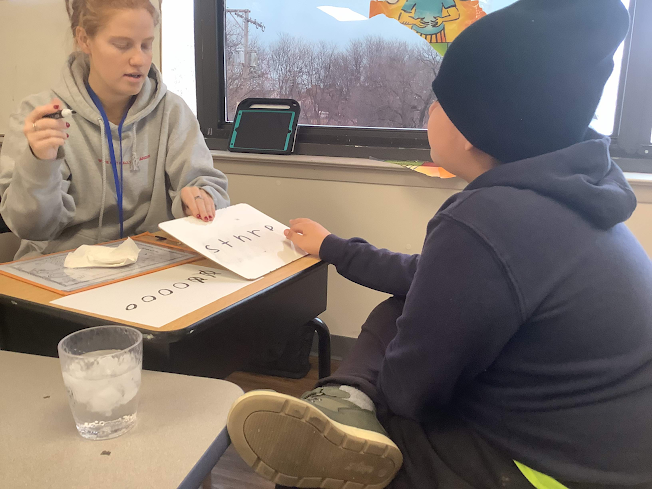
Visual schedules, cue cards, and emotion charts can reduce anxiety and improve comprehension. Many children respond better to images than words.
Tip: Create a morning routine chart with pictures of brushing teeth, getting dressed, and eating breakfast.
Embrace Repetition and Predictability
Repetition builds confidence. Predictable routines and phrasing help children anticipate what’s coming and feel safe.
Example: Always say “Time to brush teeth” at the same time and in the same tone each night.
Regulate Your Own Tone and Energy
Your child may be hypersensitive to tone, volume, or facial expressions. Calm, neutral delivery helps prevent emotional escalation.
Tip: Practice speaking slowly, with gentle intonation, even when you’re frustrated.
Validate Nonverbal Communication
Not all communication is verbal. Gestures, eye contact, body language, or silence can be meaningful.
Example: If your child turns away or covers their ears, acknowledge it: “I see you’re overwhelmed. Let’s take a break.”
Use Scripts and Role Play
Some children benefit from rehearsing social interactions. Scripts can be written or visual, and role play helps build confidence.
Scenario: Practice how to ask for a toy or say “I need help” using puppets or drawings.
Leverage Technology Thoughtfully
Apps like Proloquo2Go, Choiceworks, or visual timer tools can support communication. Use tech as a bridge—not a replacement—for human connection.
Tip: Let your child choose icons or photos that represent their needs and feelings.
Challenges with Compassion
When Your Child Doesn’t Respond
Silence doesn’t mean defiance. It may signal overload, confusion, or fatigue. Instead of repeating, try:
- Offering a visual cue
- Changing the environment (e.g., lowering noise)
- Giving space and returning later
When Emotions Run High
Meltdowns are not tantrums. They’re neurological responses to stress. During these moments:
- Avoid verbal demands
- Stay nearby but non-intrusive
- Use calming tools (weighted blankets, sensory toys)
Afterward, reflect together: “That was hard. I’m proud of you for getting through it.”
Tailoring Strategies to Your Child’s Profile
For Autistic Children
- Prioritize visual and sensory-friendly communication
- Avoid abstract language
- Respect stimming and sensory needs
For Children with ADHD
- Use short, engaging instructions
- Break tasks into steps
- Offer movement breaks and visual timers
For Children with Sensory Processing Differences
- Minimize background noise
- Use tactile tools (fidgets, textured cards)
- Respect sensory boundaries (e.g., touch, light)
Connection Beyond Communication
Celebrate Small Wins
Every moment of connection—eye contact, a shared laugh, a spontaneous word—is worth celebrating. These are the building blocks of trust.
Create Rituals of Joy
Whether it’s a bedtime story, a dance break, or a shared snack, rituals create emotional safety and deepen bonds.
Involve Your Child in Decision-Making
Offer choices: “Do you want the red shirt or the blue one?” This fosters autonomy and reduces power struggles.
Communication with neurodiverse children isn’t about getting them to conform. It’s about meeting them where they are. When parents slow down, simplify, and listen with their whole heart, they unlock a world of connection that transcends words.
Your child’s brain may be wired differently but your love, patience, and creativity are the most powerful tools you have. Keep showing up. Keep learning. Keep speaking their language.
Frequently Asked Questions
How long does it take to see progress with these communication strategies?
Progress varies for every child and family. Some strategies, like the 6-second rule, can yield positive results almost immediately by reducing pressure. Others may take weeks or months of consistent practice. The key is patience and celebrating small steps. The goal is to build a stronger connection over time, not to achieve a quick fix.
What if a strategy isn’t working for my child?
It’s common for certain strategies to be more effective than others, depending on your child’s unique profile. If a specific approach isn’t working, feel free to adapt it or try a different one. For example, if a visual schedule with pictures isn’t helping, you could try one with written words or even objects. Trust your instincts and observe what your child responds to best.
My child uses echolalia (repeating words or phrases). How should I respond?
Echolalia is a valid form of communication. It can be a way for your child to process language, self-regulate, or affirm what you’ve said. Instead of trying to stop it, you can respond by validating and gently expanding on it. If they repeat, “Want a snack?” you can say, “Yes, let’s get a snack. Do you want an apple or crackers?” This acknowledges their communication and models the next step in the conversation.
How can I use these strategies when I’m feeling stressed or overwhelmed myself?
It is incredibly challenging to remain calm when you are feeling stressed. Start by focusing on just one strategy, such as regulating your own tone. Taking a deep breath before you speak can make a significant difference. Remember, it’s okay to take a break. You can say, “Mommy/Daddy needs a quiet minute,” and step away briefly to regulate yourself before re-engaging with your child.
Can I combine these strategies with professional therapies like speech or occupational therapy?
Absolutely. These strategies are designed to complement and reinforce the work you are doing with therapists. Share what you are trying at home with your child’s therapy team. They can provide valuable feedback, help you tailor the approaches, and ensure consistency between therapy sessions and daily life, which often leads to the best outcomes.
