
Watching your child work hard to process the daily sounds around them brings a unique kind of exhaustion to your family routine. You find yourself repeating the same instructions so many times you sound like a broken record.
Addressing a hearing impairment in children requires far more than just speaking louder or repeating yourself over and over. When your child is bombarded by the constant flood of background noise and they are not processing a conversation, there could be an underlying issue.
At Merlin Day Academy, we approach these specific challenges through coordinated physical therapy and occupational therapy.
Our dedicated professionals work together to build the physical foundation your child needs to succeed. They address the hidden ways sound differences affect sensory processing, balance, and physical coordination.
Your child deserves a tailored approach that meets their unique needs. The following sections detail exactly how our therapy teams collaborate to support sensory regulation and motor skill development.
Hearing Impairment Influences
When we think about ears, we usually only consider their main job of picking up sounds. However, your child possesses ears that secretly work a second full time job. The delicate structures inside the ear also act as the biological control center for physical balance.
Addressing a hearing impairment in children often reveals unexpected developmental challenges because the auditory system is connected to how a child moves and feels in their space. A difference in hearing changes how your child interacts with the entire physical world around them.
The Vestibular Connection
The inner ear contains tiny fluid filled canals that tell the brain exactly where the head is moving. Professionals call this the vestibular system.
When a child has structural differences in their ear, this balance center often experiences changes. You might notice your child tripping over flat surfaces or feeling hesitant on the playground swings.
They are not simply being clumsy. Their brain is working with an incomplete map of their physical surroundings. Our therapy teams focus heavily on this specific connection to help your child build total confidence in their ability to move through their day.
Sensory Processing Considerations
Your child gathers clues about their environment through a constant blend of sight, touch, and sound. When the sound input fluctuates or goes missing entirely, the brain relies much heavier on the other senses to make up the difference.
This continuous sensory swapping requires massive amounts of mental energy. A bustling cafeteria becomes visually overwhelming because your child must use their eyes to track everything their ears cannot catch. We recognize this invisible daily workload.
Our occupational therapists carefully assess how your child processes all sensory information to create a supportive individualized plan that reduces visual and physical exhaustion.
Impact on Daily School Routines
These hidden developmental challenges show up clearly during a typical school day. Walking in a straight line down a crowded hallway demands intense focus and physical balance.
Sitting upright in a chair while simultaneously watching a teacher or reading lips drains core muscle strength rapidly.
By the time lunch arrives, your student might feel entirely depleted from the physical effort of participating. We address these physical demands directly so your child maintains the energy needed to learn, play, and build meaningful friendships with their peers.
Merlin Day Academy Multidisciplinary Approach
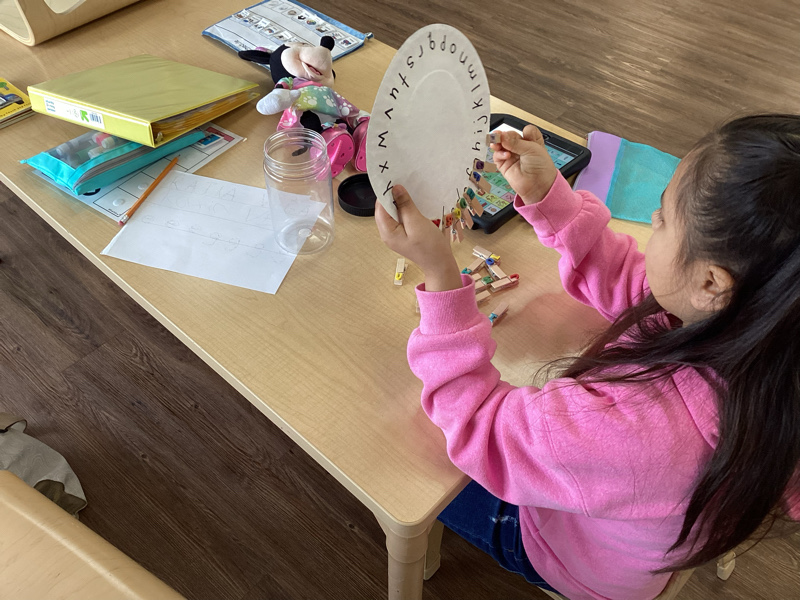
Moving through a busy school day requires more than just one type of support. At Merlin Day Academy, we utilize a true multidisciplinary approach to ensure your child receives complete and personalized care.
When addressing a hearing impairment in children, professionals working in separate silos simply cannot provide the comprehensive support your family deserves. Our physical therapists, occupational therapists, and special education teachers operate as a united front.
They share a single focus of helping your unique child build functional independence and genuine confidence. You will not find our specialists working behind closed doors. Instead, you might see what looks like a highly choreographed dance of experts sharing notes, strategies, and smiles in the hallway.
Your child possesses individual strengths that guide exactly how we integrate our therapeutic services. A physical therapist might observe your student expending extra energy to maintain their balance during morning meeting time. They immediately share this vital observation with the occupational therapist.
Together, they design a specialized seating arrangement that supports core muscle strength while significantly reducing sensory fatigue. This seamless teamwork means your child does not have to practice the same physical skills twice in completely different environments. We thoughtfully weave these essential therapies directly into the natural rhythm of their daily educational routine.
This deep collaboration extends far beyond the therapy gym and right into the heart of the learning environment. Our dedicated therapists spend significant time inside the actual classrooms working alongside the teachers. They carefully watch how your child interacts with their peers and processes different instructional materials.
If an afternoon science lesson requires intense visual focus to make up for auditory differences, the therapy team adjusts the physical space beforehand to prevent overwhelming exhaustion.
We know that managing countless separate appointments causes immense stress for your entire family. By blending these critical developmental supports together under one roof, we partner with you to give your child the exact tools they need to achieve remarkable progress.
The Role of Occupational Therapy
Occupational therapy for a hearing impairment focuses on the whole child and their daily routines. When sound input changes, the brain works overtime to process the world. Our occupational therapists step in to ease that heavy burden. They look closely at how your child interacts with their physical environment to create a customized support plan.
Supporting Sensory Integration and Regulation
Children with a difference in hearing often experience sensory overload. Their eyes must do the work of their ears. This intense visual demand drains their energy rapidly. Our therapists create tailored sensory diets to help your child maintain calm focus. A sensory diet provides specific physical activities throughout the day. These activities might include deep pressure exercises or specialized seating options. This tailored approach keeps the nervous system steady and ready to learn.
Strengthening Fine Motor and Visual Motor Skills
Holding a pencil or cutting with scissors requires intense visual focus. When a child constantly scans the room for visual cues to make up for missed sounds, their eyes become fatigued. This fatigue directly affects their hands. We strengthen fine motor skills by practicing these specific tasks in controlled environments. Therapists build hand strength and visual tracking abilities simultaneously. Your child gains the coordination required to complete schoolwork without feeling entirely depleted.
Environmental and Classroom Modifications
A loud classroom quickly becomes a barrier to learning. However, occupational therapists analyze the physical space to reduce unnecessary noise and visual clutter. They might suggest placing soft covers on chair legs to stop scraping sounds. They arrange desks so your student always has a clear view of the teacher. These small adjustments create a massive difference in how much energy your child expends just trying to pay attention.
Building Self Advocacy and Daily Living Skills
Your child needs the confidence to speak up when they need help. We teach them how to manage their daily routines independently. Therapists guide students to request a quiet break when the room feels too loud. They practice changing hearing device batteries or asking a teacher to repeat an instruction. Building these specific skills prepares your child for long term success inside and outside the classroom.
The Role of Physical Therapy
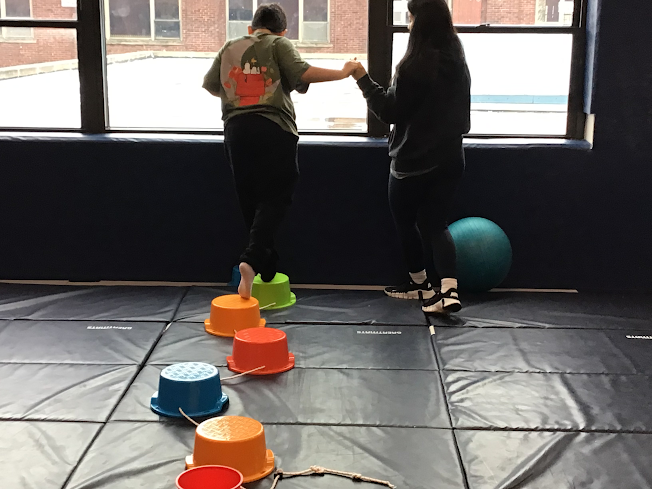
The inner ear acts as the biological center for physical balance. Physical therapy for children addresses the direct connection between ear structures and body movement. Our physical therapists design specific exercises to help your child move through their day safely and confidently.
Improving Balance and Coordination
A difference in inner ear anatomy often causes significant balance challenges. You might see your child hesitate before walking down stairs or standing on one foot. Our therapy teams create individualized obstacle courses that challenge their equilibrium in a safe space. We practice these skills repeatedly so your child builds the muscle memory required to stay steady on their feet.
Supporting Gross Motor Development and Strength
Core strength acts as the foundation for all physical movement. Sitting upright and constantly turning the head to read lips demands serious back and neck strength. Therapists target these specific muscle groups during play based sessions. Your child participates in fun physical games that build the endurance needed for a full school day. They grow stronger while feeling like they are simply playing.
Enhancing Spatial Awareness and Safe Navigation
Moving through a crowded hallway presents a unique challenge when a child cannot hear footsteps approaching from behind. They must learn to rely on other senses to determine their physical position in a space.
Physical therapists teach specific strategies for safe movement. We help your student develop sharp spatial awareness so they move through the school building with total confidence.
Speech Therapy Collaboration
Progress does not happen in isolation. Our occupational and physical therapists communicate directly with the speech therapy team of your child. They share critical data to ensure all devices function properly during active movement.
A physical therapist might notice a hearing device shifting during jumping exercises. They immediately inform the speech therapist to adjust the fit. A speech therapist relies on the occupational therapist to ensure the child has the physical core strength to sit up and practice vocal exercises.
This constant communication builds a unified support system. Your child receives coordinated care that addresses every single aspect of their development.
Empowering Students With Hearing Differences
Every day that passes without coordinated support adds unnecessary weight to the shoulders of your child. They expend precious energy trying to adapt to environments that were not designed for their unique needs. Waiting for a disjointed system to magically align puts their developmental progress at serious risk.
At Merlin Day Academy, we remove that heavy burden immediately. We merge education and therapy into one cohesive approach that sets your child up for immediate success.
Together, we build a foundation of absolute confidence that allows your child to fully engage with the world around them. Reach out to our team today to schedule a tour and see exactly how we can support your family.
