
In Chicago and across the country, autistic and neurodiverse students are being bullied at significantly higher rates than their peers, and families often see the signs long before their school does.
Bullying is harmful and totally unacceptable. And for neurodiverse children it’s far more confusing and the impact runs deeper.
At Merlin Day Academy in Chicago we have a “zero tolerance” policy towards bullying.
If your child has become quieter, more anxious, or suddenly resistant to going to school, trust your instincts. Something may be happening, and it demands action.
Across Chicago, families describe bullying as one of the most painful experiences their neurodiverse child has faced.
This article explains what bullying looks like for neurodiverse learners, why they’re more vulnerable, and the emotional toll it can take.
It outlines clear steps and proactive strategies to help you protect your child.
If you’d like more personalized insights, please contact us today. We’re here to support you every step of the way.
Understanding Bullying and Its Impact
Bullying is not the same as teasing or a normal disagreement. It is repeated, intentional behavior meant to harm, intimidate, or control another person. For children with autism, it often goes unseen or unreported, because they may find it hard to read social cues or explain what happened.
Knowing the different forms helps you spot the warning signs early:
- Physical aggression: Hitting, pushing, tripping, or damaging belongings.
- Verbal harassment: Name-calling, mocking, threats, or cruel jokes.
- Social exclusion: Being deliberately left out, having rumors spread, or being manipulated within friendships.
- Cyberbullying: Hurtful messages, online harassment, or being shut out of group chats.
For autistic children, the effects often run deeper and last longer, in part because the bullying is harder to spot and harder to talk about.
Bullying is repeated and intentional. Knowing its forms helps you notice what your child may struggle to put into words.
Why Children with ASD Are More Vulnerable
Children with ASD experience the world in their own unique way. Their communication style, sensory needs, and social behaviors may stand out, which can make them more visible to peers who don’t understand differences. This is never your child’s fault, and understanding it helps us respond with empathy.
Social Communication Differences
Many children with ASD find it hard to read sarcasm, tone of voice, or unspoken social rules. This can make it difficult to recognize when someone is being unkind or manipulative, so bullying may continue without a child fully realizing what’s happening. In a stressful moment, a child may also freeze or shut down, and bullies sometimes look for these reactions on purpose.
Sensory Sensitivities
Loud lunchrooms, crowded hallways, and unpredictable routines raise a child’s stress before any social challenge even begins. When a child is already overwhelmed, they become more emotionally vulnerable and easier to target.
A Genuine Desire for Friendship
Many neurodiverse children deeply want connection but are still building the social tools to navigate it. Sadly, some peers take advantage of that longing to belong.
Difficulty Reporting Incidents
Your child may not know how to explain what happened, may fear getting in trouble, or may believe bullying is simply something to endure. That silence is one reason bullying can go on far too long.
At Merlin Day Academy, our staff are trained to notice the subtle signs of distress and step in early, so children don’t have to carry these experiences alone.
The Emotional Impact of Bullying
Bullying touches every part of a child’s emotional world. For children who may already experience heightened anxiety, the impact can be significant. Watch for these changes:
- Anxiety and fear: Becoming afraid of school or worrying about being targeted again.
- Withdrawal: Pulling away from friends and activities they once loved.
- Low self-esteem: Beginning to believe harmful messages, thinking they are “not good enough.”
- Academic decline: Struggling to focus and learn, so grades slip and school avoidance grows.
Without support, these effects can shape a child’s confidence and social development for years. Emotional changes are often the first clue. Noticing them early opens the door to healing.
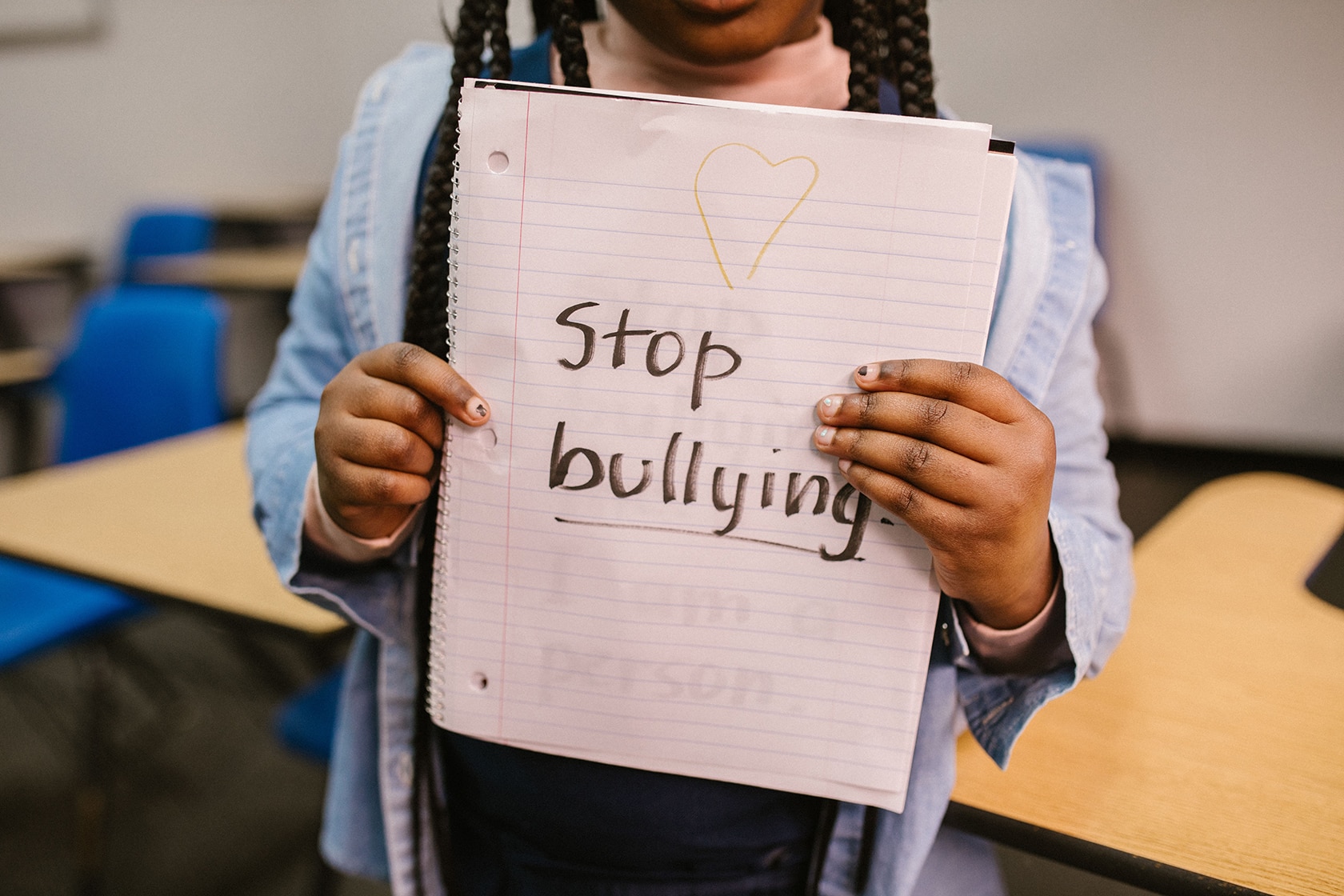
Coping Strategies That Build Resilience
Children with ASD respond best to coping tools that are concrete, predictable, and supportive. These strategies help your child manage stress, express feelings, and regain a sense of control.
Positive Affirmations
Children with ASD often respond well to structured, repeated messages. Short affirmations like “I am safe,” “I am strong,” and “I deserve kindness,” said at a calm moment each day, can gently rebuild confidence over time.
Journaling or Drawing
Some children process feelings through writing, while others express themselves through pictures. Both give your child a safe way to release emotions they may struggle to say out loud, with no right or wrong way to do it.
Building a Support Network
Help your child name the trusted adults they can turn to when they feel unsafe, whether a teacher, an aide, a therapist, or a family member. Knowing exactly who to find brings real comfort in a hard moment.
Professional Support
Therapists, counselors, and social workers can teach coping skills, emotional regulation, and social problem-solving in ways tailored to your child. At Merlin Day Academy, we weave these supports into daily routines, helping children build resilience through steady, consistent care.
Action Steps to Stop Bullying
Stopping bullying takes a coordinated, proactive approach. Children should never be expected to handle it alone, and the adults around them play the most important role.
Educate and Empower Your Child
Scripted responses help autistic children feel prepared instead of caught off guard. Practice simple phrases together, such as:
- “Everyone learns differently.”
- “I need more time to figure things out.”
- “I’m feeling overwhelmed right now.”
Role-play these together, taking turns, so your child can rehearse assertive communication and learn when to seek help.
Know When to Intervene
Bullying always calls for adult involvement. Notify teachers, administrators, and support staff right away, and ask about creating a safety plan. A strong plan may include staff training, peer education, positive bystander programs, and increased supervision in hallways, playgrounds, and lunchrooms.
Formalize Support Through the IEP
If your child has an Individualized Education Program (IEP)—a personalized plan outlining the support and services your child receives at school—you can add goals that directly address bullying, such as:
- identifying bullying behavior
- practicing coping strategies
- requesting help from a trusted adult
- receiving added supervision or support services
Schools are legally required to provide a safe learning environment. When bullying interferes with learning, it may affect your child’s right to a Free and Appropriate Public Education (FAPE)—the legal guarantee that your child receives an education suited to their needs at no cost to your family.
Maintain Daily Check-Ins
Children with ASD may not bring up a hard day on their own, so gentle, open-ended questions make it easier to share. Instead of “How was school?”, try:
- “How did you feel today?”
- “Did anything make you uncomfortable?”
- “Who did you spend time with?”
Always validate what they share. Remind your child that bullying is never their fault and that their feelings are real and important. That reassurance builds the trust that keeps them talking to you.
A united team of parents, educators, and therapists offers your child the strongest protection.
A More Inclusive Path
Bullying can shape a child’s emotional and academic development, and for children with ASD, the effects can run especially deep. With understanding, empathy, and steady support, families and educators truly can change the path forward.
At Merlin Day Academy, we believe every child with disabilities can learn and grow with the right support. As a sensory-integrated therapeutic school for children ages 6 to 14, we offer a safe haven built around a relationship-based model. Every child follows an Individualized Learning Plan that celebrates their unique strengths while addressing their specific needs. Through sensory-integrated learning and family-centered care, we partner with you to help your child feel protected, empowered, and celebrated for exactly who they are.
Your next step: Reach out to schedule a tour of Merlin Day Academy, where you can see our sensory-friendly classrooms and meet the team ready to support your family. Together, we can help your child feel safe, included, and ready to thrive.
Frequently Asked Questions
How can I tell if my child with ASD is being bullied?
Children with autism may not say directly that they’re being bullied, so watch for signs: sudden reluctance to go to school, mood changes, increased meltdowns or anxiety, withdrawal at home, or a drop in engagement. Physical complaints like stomachaches before school can also be a clue. Gentle, specific questions—like “Did anyone say something that made you feel bad today?”—often work better than broad ones like “Did anything happen at school?”
Can bullying affect my child’s progress at school?
Yes, and this is one of the biggest reasons to act quickly. When a child feels unsafe, their brain shifts into survival mode, making it hard to focus, absorb new information, or engage. For children with ASD, who may already work harder to process their environment, this stress can cause real setbacks. The good news: progress is absolutely possible. Talk with your school team about updating the IEP and adding therapeutic supports. At Merlin Day Academy, emotional healing and academic growth happen side by side because a child who feels safe is a child who can truly learn.
What if my child’s school isn’t taking the bullying seriously?
You have every right to escalate. Put your concerns in writing to the teacher, principal, or special education coordinator so there’s a clear record. If your child has an IEP, request a meeting to add bullying-related goals and protections. Because schools must provide a safe learning environment, bullying that disrupts learning may violate your child’s right to a Free and Appropriate Public Education (FAPE). If the school still doesn’t respond, you can file a complaint with the CPS Office of Student Protections or contact a disability rights advocate. Your voice matters. Keep advocating until your child feels safe.
How can Merlin Day Academy help my child who has experienced bullying?
A bullied child needs more than a change of environment. They need consistent, compassionate support that addresses the whole child. Our sensory-integrated school for ages 6 to 14 is built around a relationship-based model, so every staff member is trained to build trust, recognize distress, and respond with care. Through Individualized Learning Plans, daily therapeutic rotations, and close collaboration between educators, social workers, and therapists, we help children rebuild confidence, develop self-advocacy, and strengthen emotional regulation (the ability to manage feelings in healthy ways). And we partner closely with your family, because the strongest outcomes happen when school and home work together.
This post was originally published in January 2025 and was rewritten in September 2026 to include updated strategies.
